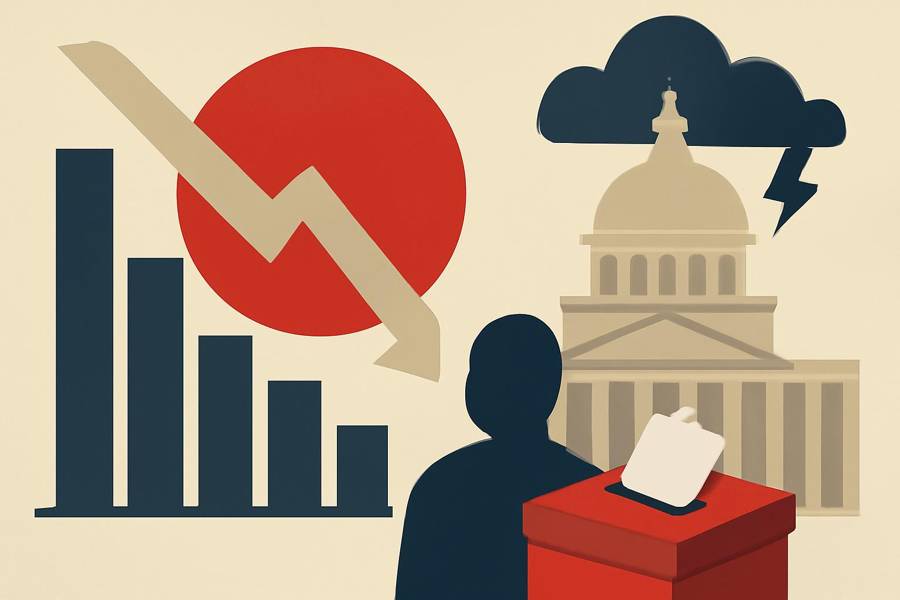
Inflation cooled more than expected in June, with consumer prices falling 0.4% from May and rising 3.5% from a year earlier, according to the Bureau of Labor Statistics. BLS said it was the largest one-month decrease since April 2020. The drop was led by cheaper energy, while underlying prices that exclude food and energy were flat for the month.
The BLS report shows energy prices fell 5.7% in June after several hot months in the spring. The Washington Post reported that gasoline prices and some utility costs also fell during the month. Food prices continued to edge higher, up 0.2% in June, with similar 0.2% gains for groceries and for meals out, BLS said.
Annual inflation also stepped down. The all-items index rose 3.5% over the past 12 months, down from 4.2% in May, BLS reported. Core inflation—the measure that strips out food and energy—was unchanged in June and increased 2.6% over the past year, easing from 2.9% in May. BLS noted declines last month in categories such as motor vehicle insurance, communication, apparel, medical care, and used cars and trucks. Recreation, household furnishings, and personal care rose.
What does this mean for interest rates? The Associated Press reported that a cooler CPI could reduce pressure on the Federal Reserve to raise borrowing costs, though officials are keeping a close eye on energy markets. The Washington Post added that the June data were collected before a recent rebound in oil prices, a reminder that energy swings can still complicate the picture.
For household budgets, the mix of lower gas and steady grocery gains is familiar: some relief at the pump, but not a broad rollback of prices. AP described the report as providing some relief to consumers. And because inflation is still rising 3.5% year over year, families may feel progress, but not victory.
Politically, both AP and the Washington Post note that the numbers land in the thick of an election year. Price moves that people see daily—gas, groceries, and utility bills—tend to matter most for public sentiment. June’s report gives campaigns new data points to argue over: headline inflation moving down, core pressure easing, and the open question of what happens next with energy.
Why it matters
Lower gas prices can free up room in monthly budgets, while a flat core reading may ease pressure for higher interest rates—good news for mortgages, auto loans, and credit cards if it holds. Still, the overall price level is 3.5% higher than a year ago, so most households aren’t feeling prices fall, just rise more slowly. And because energy costs can turn quickly, today’s relief could fade if oil bounces back.