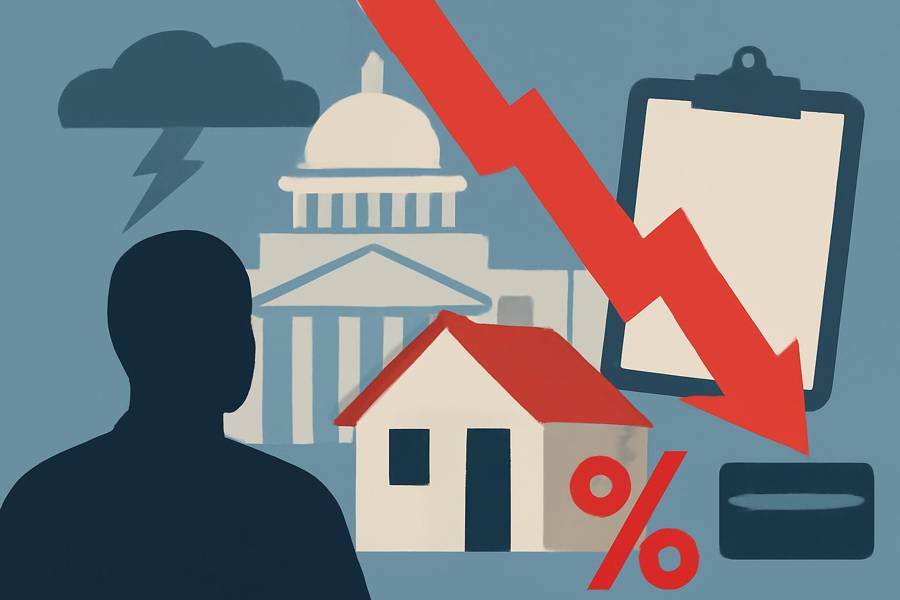
Borrowing got pricier this week. After the Federal Reserve raised its benchmark interest rate on Wednesday, the average 30‑year fixed mortgage rate is now near 7%, and families shopping for loans are feeling it. The move came with a signal that another hike could follow later this year, Bloomberg reported, as policymakers seek to curb inflation.
The Associated Press reported that the average 30‑year rate has risen to near 7%, toward the highest levels in recent periods. AP’s analysis adds a key point about why mortgage costs have climbed: long‑term interest rates have risen broadly as inflation has remained elevated and the economy has held up. Mortgage rates tend to follow the 10‑year Treasury yield, which has risen notably this year even before the Fed’s latest move.
What did the Fed do, exactly? Officials lifted the federal funds rate by a quarter percentage point and, according to Bloomberg’s wrap‑up of the decision, signaled another increase could come before year‑end. Bloomberg reported the goal is to prevent inflation from settling above the Fed’s target after months of elevated price gains in many categories. None of that sets mortgage rates directly, but it influences the broader cost of money and expectations for where borrowing costs go next.
For households, the result is straightforward: higher borrowing costs than earlier. AP’s analysis says the latest hike could lead to higher borrowing costs for mortgages and auto loans. That tracks with the way credit ripples through the economy—short‑term rates the Fed controls help set the floor for many consumer loans, while investor expectations about inflation and growth push up longer‑term yields that anchor mortgage pricing. The combination leaves would‑be buyers and anyone taking out large loans facing stiffer math, with sellers navigating a market where financing is tougher.
Behind the scenes, AP points to forces that have kept pressure on rates: persistent inflation, steady consumer spending and sizable investment outlays that have driven up demand for capital. Those forces have made it more expensive for the government and businesses to borrow, lifting Treasury yields and, in turn, home‑loan rates. Until inflation slows more decisively—or those longer‑term yields retreat—mortgage quotes near 7% may stick around.
Why it matters
Higher rates raise the monthly cost of new mortgages and make auto loans more expensive, squeezing budgets for families who need to borrow. That can sideline first‑time buyers, slow home sales and keep would‑be movers in place. If this persists, it may cool housing activity over the coming months and make big‑ticket purchases tougher to afford while inflation is still running above target.