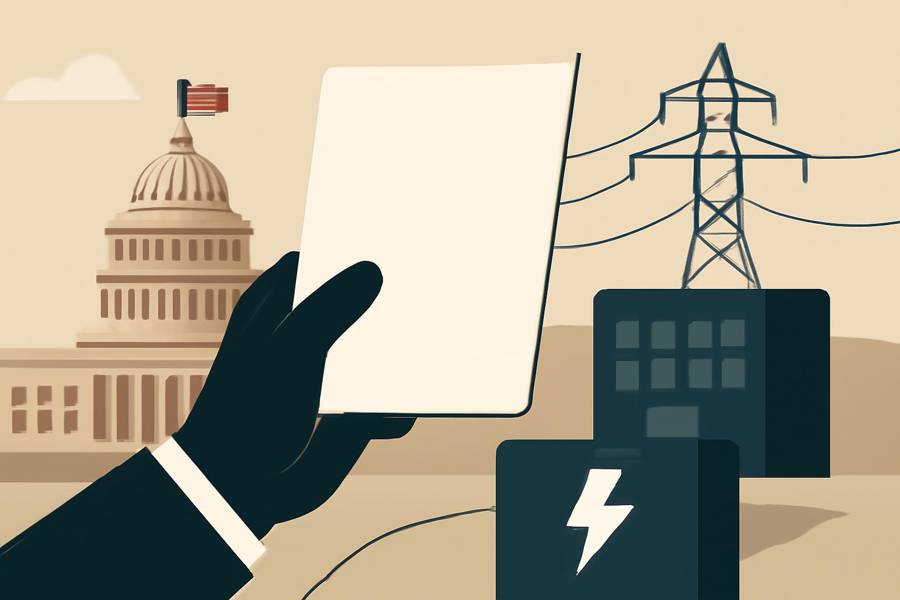
The Senate approved a sweeping bipartisan overhaul of federal permitting rules on Thursday, passing a bill that aims to speed up energy and infrastructure projects and shift more grid-connection costs to large data centers instead of everyday ratepayers. The measure now heads to the House.
According to Roll Call and Axios, the package would tighten timelines for environmental and water reviews and narrow some court challenges, with changes to major environmental and water laws. It would also expand federal authority over certain interstate transmission lines, giving the Federal Energy Regulatory Commission a bigger role in deciding where long-distance power lines can go. CBS News reported the White House backs the deal, and Axios noted the measure has executive branch support.
One of the most-watched pieces is who pays to plug in energy-hungry AI and cloud campuses. Roll Call says the bill is written to ensure electricity ratepayers are not saddled with the costs of bringing power to data centers, and Axios reported similar language to make big facilities pay for the grid upgrades they trigger. Supporters argue the change is a fairness issue and could relieve pressure on household bills.
The bill’s backers include a wide cross-section of industry groups, from renewables developers to oil and gas, and several labor unions, Axios reported. At the same time, major environmental organizations and a number of tribal groups oppose the package, warning that compressing reviews and limiting lawsuits could weaken safeguards and public input; the Associated Press detailed those concerns.
Oregon Democrats Jeff Merkley and Ron Wyden pressed for votes on amendments, including a proposed ban on building data centers on public lands, but those and other changes did not get floor consideration before final passage, Roll Call reported. Sponsors also proposed changes to tighten exemptions around the data center cost provisions, but that update was not adopted amid the amendment stalemate, according to Roll Call.
What happens next is still in flux. Axios reported that House Speaker Mike Johnson said he expects to have the votes to pass the bill, while CBS News described the outlook as uncertain as members in both parties air objections and float changes. The Associated Press and Washington Post (running AP copy) said the bill would still need House action before it could reach the president’s desk.
Why it matters
For families, the big near-term impact could be on electric bills. By putting more of the cost of grid hookups on large data centers, the bill aims to reduce what shows up on household statements, though large AI and cloud operators may face higher power costs. Faster, clearer rules could also help get new transmission lines and power plants—clean and conventional—built sooner, which matters as electricity demand rises.