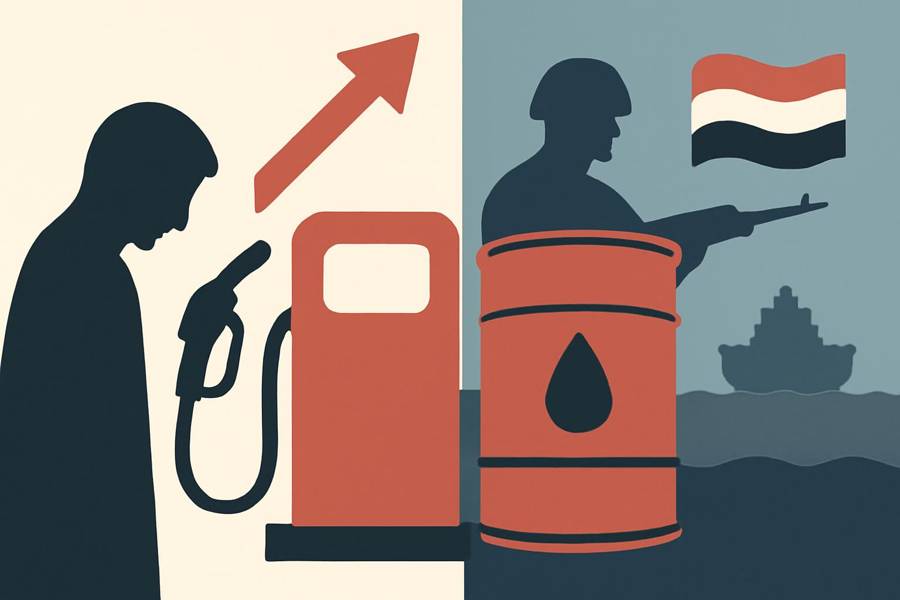
Average U.S. gasoline prices climbed back to $4 a gallon while global oil briefly topped $90 a barrel, as fresh U.S.-Iran strikes and threats of a Houthi blockade rattled energy markets. The national pump-price milestone returned on Monday, according to the Associated Press, and was followed Tuesday by a nearly 2% jump in crude, Reuters reported via The Economic Times.
AAA’s national average now sits just above $4, roughly 13 cents higher than a week ago and well above about $3.14 a year earlier, the AP reported. Diesel, the fuel that moves most freight, also rose — averaging nearly $5.11 a gallon on Monday, up from $4.88 a week earlier, according to the AP. On the oil side, Reuters said Brent futures were around $90.84 a barrel late Tuesday morning (GMT), with U.S. benchmark West Texas Intermediate also higher.
Both outlets linked the surge to security risks around key shipping lanes. The AP said Brent swung between about $86 and $91 on Monday as fighting resumed around the Strait of Hormuz, a narrow passage that carries a large share of the world’s oil in normal times. Reuters reported that Yemen’s Houthi movement threatened a naval blockade of Saudi Arabia, adding a second choke point risk in the Red Sea. Reuters also cited the United Kingdom Maritime Trade Operations agency saying a tanker in the Strait of Hormuz was struck by an unknown projectile, forcing the crew to abandon ship.
Analysts quoted by Reuters said lower exports through Hormuz and worries about Red Sea flows are supporting prices. The AP added that traffic through Hormuz has slowed, with S&P Global Energy analysts noting a sharp dip in vessel crossings last week compared with the week before. The back-and-forth strikes have added to that uncertainty: Reuters reported U.S. forces hit targets in southern Iran while Iran targeted U.S. sites elsewhere in the region.
At the White House, officials pointed to military efforts to reduce risks to shipping. A spokesperson said officials believed prices could return to pre-conflict levels as U.S. operations degrade Iran’s ability to attack vessels and disrupt trade, the AP reported. Meanwhile, Reuters reported that a mediation proposal for a short cease-fire had been floated to Tehran, which, if accepted, could ease some pressure — though markets have been quick to react to any renewed attacks or threats.
For families and businesses, the dollars and cents show up fast. The AP noted that higher fuel costs raise transportation expenses across the economy — from long-haul trucking to airline tickets — and recent months have brought price increases in everyday goods. The AP also reported that voters are watching pump prices closely heading into November’s midterm elections.
Why it matters
Four-dollar gas strains household budgets, especially for commuters and families planning summer travel. Diesel’s rise can push up the cost of shipping everything from groceries to building supplies. Continued tension around Hormuz and the Red Sea could keep oil prices jumpy, making it harder for inflation to cool. And, as the AP noted, voters are paying attention to what they’re paying at the pump.