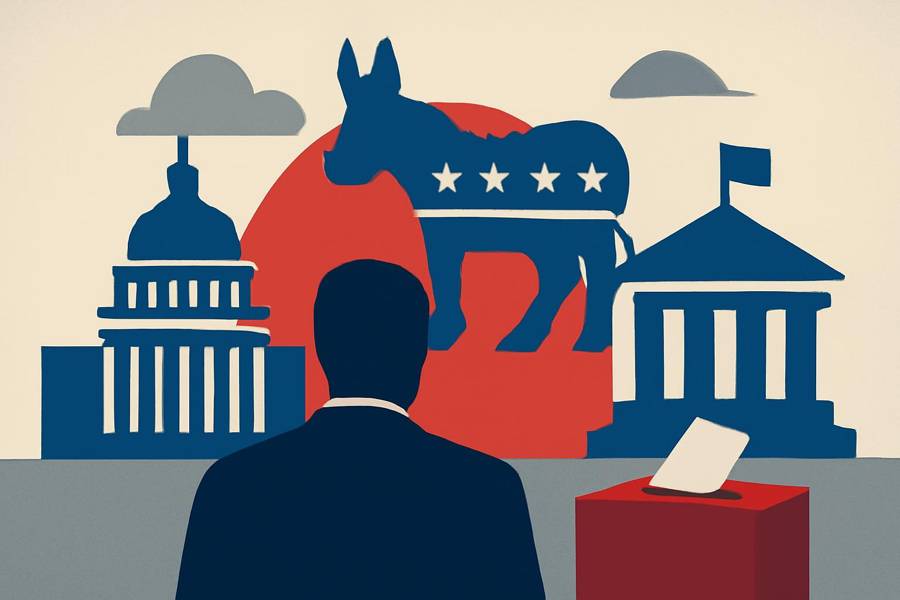
Multiple outlets reported that Democrats won majorities in both the House and the Senate in the midterm elections, a result many described as a setback for President Donald Trump. The Associated Press and CBS News were among those projecting Democratic control of one or both chambers, and Axios cited AP projections pointing to unified Democratic control of Congress.
The Senate map shifted sharply. Some outlets, drawing on AP race calls, said Democrats flipped multiple Republican-held seats, including pickups in states that had previously leaned Republican. Other coverage highlighted surprising wins in traditionally deep-red areas, and at least one outlet framed the overall swing as historically significant.
House results followed a similar pattern. Outlets reported Democratic gains in a range of districts, including in states that had supported Trump or been redrawn to favor Republicans. Some reports noted additional Democratic wins in competitive Pennsylvania races. Those and other victories were cited as contributing to Democratic control of both chambers.
Reactions underscored the political stakes. The AP and The Washington Post characterized the outcome as a broad rebuke of Trump’s leadership. In comments reported by the AP, Trump argued voters did not like the candidates, distancing himself from individual races. Some outlets said the new Senate majority could make it harder for the White House to advance parts of its agenda.
What changes now? Some reporting said Democratic control of both chambers could set the stage for more aggressive oversight, including potential investigations into executive branch actions, and could slow or block confirmations of presidential nominees. Other outlets made similar points about the potential for the new Senate majority to complicate the administration’s legislative goals. Leadership dynamics could shift as well: one outlet reported House Democratic leader Hakeem Jeffries could become the first Black speaker.
There were differences in emphasis across outlets, but the core reporting aligned: some outlets projected Democrats clinched both chambers; others detailed state-level flips; and coverage variously stressed implications for the president’s agenda and the historic scale of the swing.
Why it matters
For regular people, a divided government could mean more checks and balances — and more gridlock. There could be tougher confirmation fights, more oversight hearings, and high-stakes negotiations over spending and must-pass bills. Big policy changes may be harder to pass, but scrutiny of federal agencies and presidential decisions may intensify.