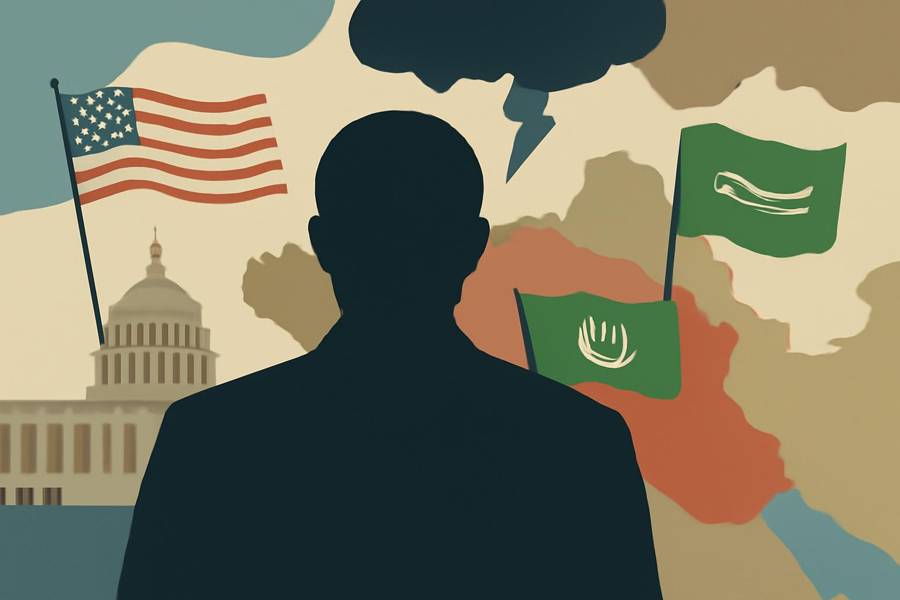
Saudi Arabia has stepped into the open fight alongside the United States, joining airstrikes against Iran‑backed militias just as Iran fired ballistic missiles at a U.S. base in Jordan and diplomatic efforts faltered again, according to the Associated Press and Axios. ([apnews.com](https://apnews.com/article/cbb2c3f49f3072c542fc6395468b64b5))
Axios reported that Iran launched multiple ballistic missiles toward the U.S. facility in Jordan on Tuesday, an attack U.S. Central Command described as an attempted surprise attack. U.S. military officials said some missiles were intercepted, the outlet said, citing CENTCOM. The outlet also said the launch came after President Trump paused U.S. strikes on Iran late last week in a bid to give talks another chance. ([axios.com](https://www.axios.com/2026/07/28/iran-missile-attack-us-base-jordan))
In response, U.S. and Saudi fighter jets hit several logistics and weapons sites in eastern Iraq linked to Iranian‑aligned groups, Axios also reported. Saudi Arabia’s Defense Ministry confirmed its participation and said the strikes were coordinated with CENTCOM. ([axios.com](https://www.axios.com/2026/07/28/iran-missile-attack-us-base-jordan))
The Associated Press said the broader U.S.–Iran confrontation has entered a new phase: Saudi Arabia is now publicly involved in hitting Tehran‑backed militias, while the already shaky diplomatic track has stalled. AP reported that Iran said it fired missiles at Jordan’s Muwaffaq Salti Air Base and that Trump said they were intercepted. The outlet also described fresh U.S. strikes and noted that officials on both sides continued to trade threats rather than map out a path to de‑escalation. ([apnews.com](https://apnews.com/article/cbb2c3f49f3072c542fc6395468b64b5))
AP added that Saudi Defense Minister Khalid bin Salman met at the White House with U.S. officials this week. People familiar with the meetings told AP the Saudis pressed for deterring attacks on their infrastructure but also for lowering the temperature and returning to talks. AP reported that an Iranian deputy foreign minister, however, said Tehran had not asked to restart negotiations in more than two weeks. ([apnews.com](https://apnews.com/article/cbb2c3f49f3072c542fc6395468b64b5))
The fighting’s economic ripple effects are part of the picture. AP reported that officials are worried about surging oil prices and that the Strait of Hormuz — a key route for global energy shipments — has been disrupted, amplifying the risk for world markets. The outlet also noted U.S. concerns about the strain on missile interceptor stockpiles after recent engagements. ([apnews.com](https://apnews.com/article/cbb2c3f49f3072c542fc6395468b64b5))
Axios, looking back over the month, reported that an earlier missile and drone barrage on the Jordan base killed U.S. service members and led to an extended U.S. strike campaign before last week’s pause. Tuesday’s Iranian missile launch was reported to have occurred hours after Trump met with Israeli Prime Minister Benjamin Netanyahu at the White House, according to Axios. ([axios.com](https://www.axios.com/2026/07/28/iran-missile-attack-us-base-jordan))
Why it matters
Saudi Arabia’s public role widens the conflict and ties it more tightly to global energy supplies. If oil shipments stay squeezed and prices climb, families could feel it at the gas pump and in household budgets. The back‑and‑forth also raises risks for U.S. troops in the region and tests whether Washington and Tehran can find a way back to talks before costs rise further. ([apnews.com](https://apnews.com/article/cbb2c3f49f3072c542fc6395468b64b5))