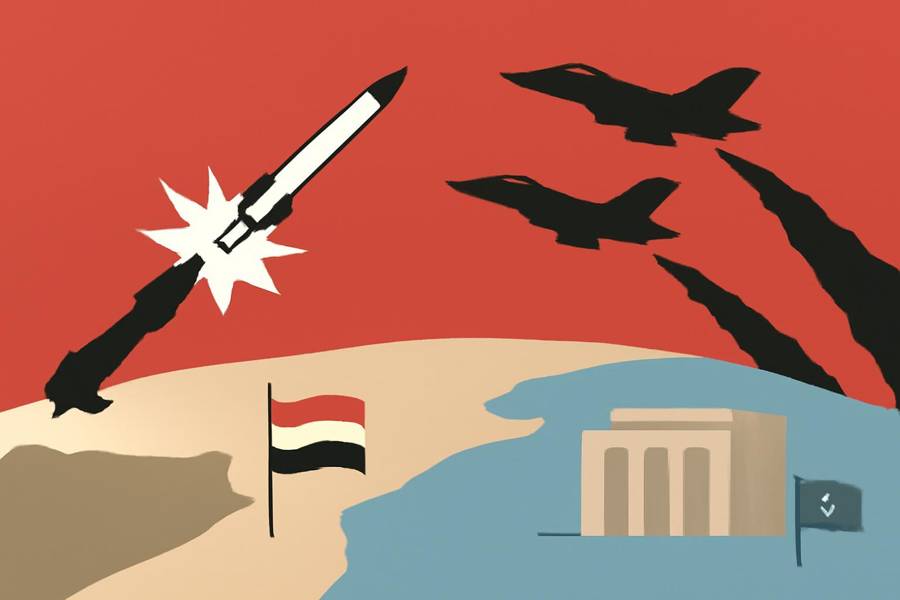
The U.S. military says it intercepted an Iranian barrage aimed at American forces and, hours later, joined Saudi fighter jets in striking sites used by Iran‑backed militias in Iraq. The quick, back‑to‑back actions broke a short lull in fighting and put the region on edge again, according to reporting from the Associated Press, Axios and NPR/WUSF.
Central Command said the missiles fired toward a U.S. base in Jordan were shot down. Axios reported the command described the launches as an “attempted surprise attack.” Jordan’s military separately said it intercepted several Iranian missiles with no immediate reports of injuries or damage, NPR/WUSF noted. The Associated Press added that U.S. forces emphasized they remain on high alert.
Soon after, American and Saudi aircraft hit multiple logistics and weapons sites in eastern Iraq used by Tehran‑aligned militias. Central Command said the strikes followed recent drone attacks it attributed to the Islamic Revolutionary Guard Corps, per Axios. The Saudi Defense Ministry confirmed it took part, while AP reported a U.S. official said Iran’s missile launches came before the U.S.‑Saudi strikes and that the two actions were not directly connected.
The Popular Mobilization Forces, an umbrella for many of Iraq’s Iran‑backed groups, said fighters were killed and wounded in the strikes, according to NPR/WUSF. Iraq’s presidency condemned the U.S.‑Saudi operation as a violation of sovereignty, and NPR/WUSF said the prime minister convened an emergency National Security Council meeting.
Oil markets reacted quickly. NPR/WUSF reported Brent crude rose after the exchanges, reflecting worries about both Iranian activity around the Strait of Hormuz and fresh threats against Saudi oil infrastructure from regional militias. AP and NPR/WUSF also highlighted mounting concern in Washington over the pace at which U.S. interceptor stockpiles are being used, a point that matters for how safely and how long American forces can keep knocking down incoming missiles and drones.
Both AP and Axios said the United States warned that further attacks on American troops or Saudi energy facilities could draw additional action. At the same time, Saudi officials have publicly said the kingdom “does not seek escalation,” even as it responds to threats, AP reported. The three outlets describe a tense, fast‑moving situation in which each exchange risks pulling more players in.
Why it matters
For families here at home, trouble in the Middle East tends to show up at the gas pump. NPR/WUSF reported oil prices jumped on the news, and more disruption could mean higher fuel and shipping costs. The AP and NPR/WUSF also point to strain on U.S. air‑defense stockpiles, which affects how well American troops can be protected if this keeps up. Bottom line: the more this widens, the higher the risks for U.S. service members and for everyday prices.