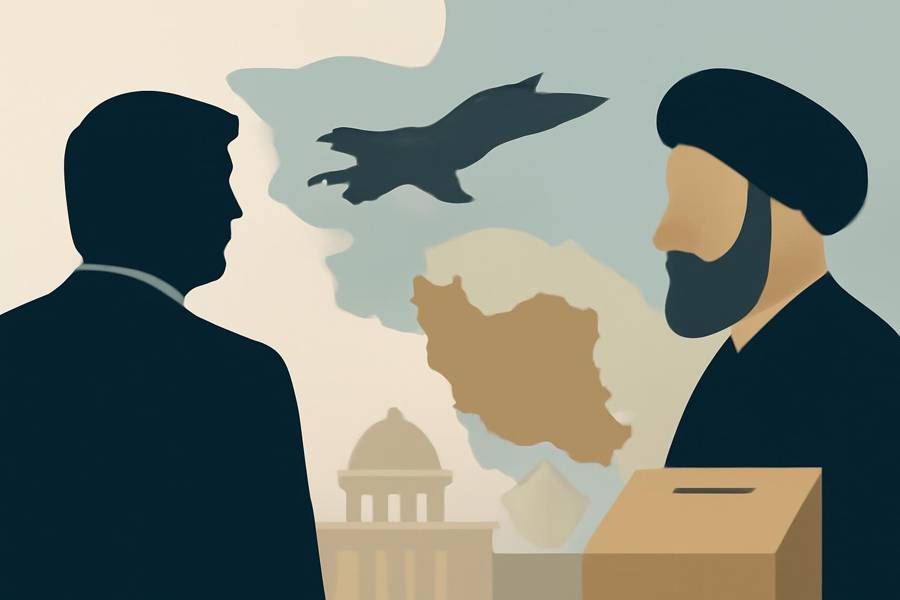
The United States has paused its airstrikes on Iran after days of nightly attacks, while negotiators work on a narrow off‑ramp to reduce tensions in the Strait of Hormuz. The Associated Press reported that no U.S. strikes occurred overnight as talks gained traction to avert a slide back into full‑scale war. Fox News’ live updates likewise said Pentagon officials have put strikes on hold as diplomacy resumes. Axios added that President Donald Trump directed the military to pause new strikes recently, ending a run of attacks.
Axios reported that Trump had been approving strike packages before instructing the Pentagon to stand down. The outlet said the pause came the same day an Omani delegation visited Tehran to discuss a new arrangement for shipping lanes through the Strait of Hormuz. Two regional sources told Axios that progress has been made and that negotiators are exploring a proposal Oman could convey to Washington for U.S. consideration.
The AP said mediators described the simultaneous pause in U.S. strikes and Iranian counterstrikes on nearby countries hosting American forces as a positive signal for de‑escalation. Iran’s Foreign Ministry confirmed recent technical talks with Oman, according to AP and Fox News. Both outlets noted that the U.S. naval blockade of Iranian ports remains in effect during the lull; AP also reported U.S. officials said they disabled a merchant ship they said attempted to breach that blockade.
Even as diplomacy gathers pace, the military backdrop has not gone away. AP reported that recent U.S. targets included Iran’s coastal defenses and, later, infrastructure deeper inside the country. Fox News’ live blog emphasized that the Defense Department is maintaining pressure on maritime security, while regional flashpoints beyond the Strait remain active. At the same time, the AP said the White House is weighing how any Israeli moves could affect the next steps; Israeli Prime Minister Benjamin Netanyahu is expected to visit Washington.
Trump has continued to talk up both leverage and negotiation. Axios reported he described the option to continue striking or escalate, while also calling it smarter to make a deal. The AP noted that the conflict’s toll on oil markets has become a domestic political issue, with higher gasoline prices affecting U.S. drivers as the fight over shipping lanes drags on. The Strait of Hormuz carries a significant share of global oil shipments, AP reported, making even short pauses in fighting meaningful for energy flows.
For now, all three outlets agree on the bottom line: a deliberate pause is in place, talks are active, and the United States is keeping its military posture intact while testing whether negotiations could reopen the strait without another round of strikes. Whether the lull lasts could depend on what, if anything, can be put on paper in the coming days.
Why it matters
A sustained pause could lower the risk of a wider war and help keep oil moving through a chokepoint that influences prices at the pump. If negotiators secure safer transit in the Strait of Hormuz, Americans may see less pressure on gas and shipping costs. If talks stall, the return of strikes could push energy prices higher again and raise risks for U.S. troops and commercial crews in the region.